
Comprehensive Guide to Choosing the Right Compression Garments


Understanding Compression Garments
Compression garments have become increasingly popular for a variety of purposes, from athletic performance to medical recovery. These garments are designed to apply pressure to specific areas of the body, promoting better blood circulation and reducing swelling. Whether you're an athlete, recovering from surgery, or simply looking for support during daily activities, choosing the right compression garment is crucial.
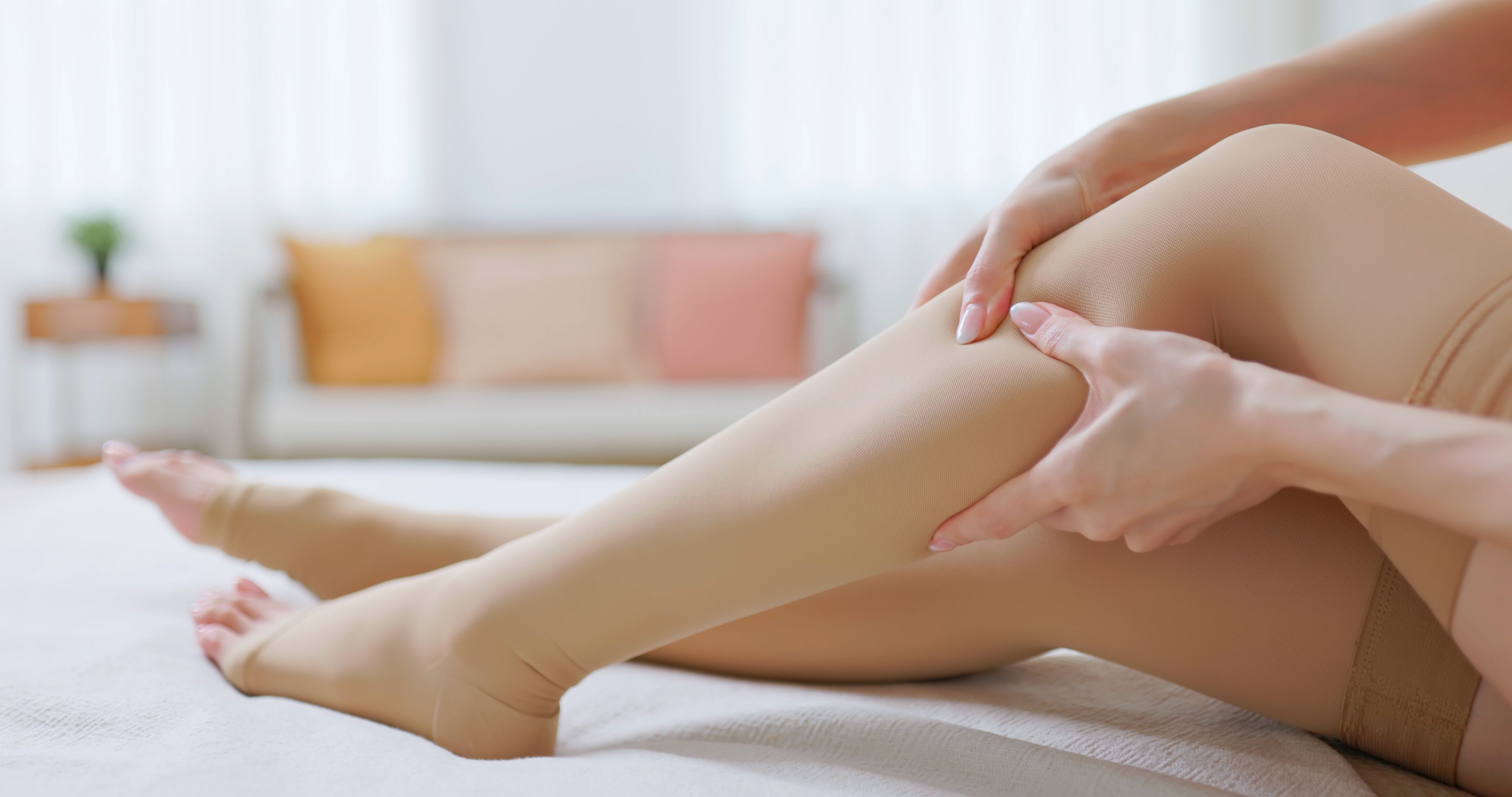
The Benefits of Compression Garments
Compression garments offer multiple benefits. For athletes, they can enhance performance by improving oxygen delivery to muscles, reducing muscle vibration, and minimizing the risk of injury. Medically, they are used to control swelling and improve circulation, particularly for those with conditions like lymphedema or varicose veins.
Additionally, these garments can aid in post-surgical recovery by providing support and reducing the risk of complications. It's important to understand your specific needs to choose the right garment.

Types of Compression Garments
Compression garments come in various styles and levels of pressure. The main types include:
- Socks and Stockings: Ideal for improving circulation in the legs and reducing swelling.
- Sleeves: Often used for arm support and recovery.
- Shorts and Tights: Popular among athletes for lower body support.
- Vests and Tops: Provide upper body support and are often used post-surgery.

Choosing the Right Fit and Pressure
When selecting compression garments, the fit and level of compression are critical. A garment that's too tight can cause discomfort, while one that's too loose won't provide adequate support. Compression levels are generally measured in millimeters of mercury (mmHg) and range from light to extra firm. Consult a healthcare professional if you're unsure about the appropriate level for your needs.
Consider the fabric as well. Breathable, moisture-wicking materials are ideal for comfort during prolonged wear.
When to Wear Compression Garments
The timing of wearing compression garments can vary based on your goals. Athletes might wear them during or after workouts to aid in recovery. For medical purposes, follow your healthcare provider's guidelines, which might include wearing them throughout the day or during specific activities.
Care and Maintenance
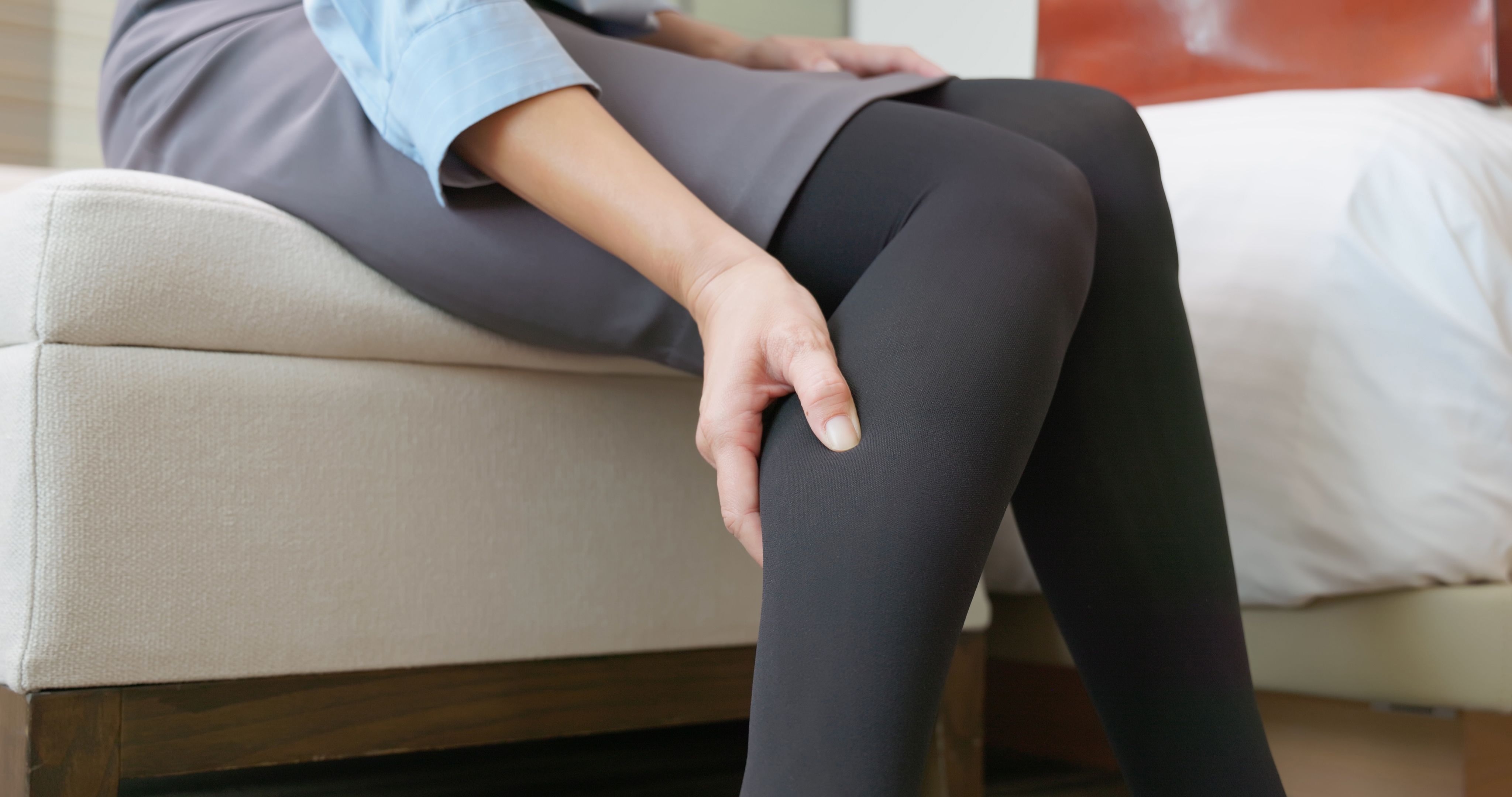
Proper care is essential to prolong the lifespan of your compression garments. Always follow the manufacturer's instructions, but generally, it's advisable to hand wash them in cold water and air dry. Avoid using harsh detergents or fabric softeners.
Regularly check the elasticity of the garment to ensure it continues to provide the desired level of compression.
Conclusion
Choosing the right compression garment involves understanding your specific needs and the different options available. Whether for athletic use, medical recovery, or daily support, the right compression garment can make a significant difference in comfort and efficacy. Take the time to select the proper fit, type, and pressure level to ensure you reap all the benefits these garments offer.