
How Does Manual Lymphatic Drainage Work? An In-Depth Exploration


The human body is a complex system where each part plays a crucial role. Among these, the lymphatic system is often overlooked, yet it is essential for maintaining a healthy immune system. One therapeutic technique that supports this system is manual lymphatic drainage (MLD). But how does it work, and what benefits does it offer?
Understanding the Lymphatic System
Before diving into manual lymphatic drainage, it’s important to understand the lymphatic system itself. This network of tissues and organs helps rid the body of toxins, waste, and other unwanted materials. The primary function of the lymphatic system is to transport lymph, a fluid containing infection-fighting white blood cells, throughout the body.
The lymphatic system consists of lymph nodes, vessels, and lymph fluid. It works in conjunction with the circulatory system to ensure that our body remains in balance. When this system becomes blocked or sluggish, it can lead to a buildup of toxins and a weakened immune response.
What is Manual Lymphatic Drainage?
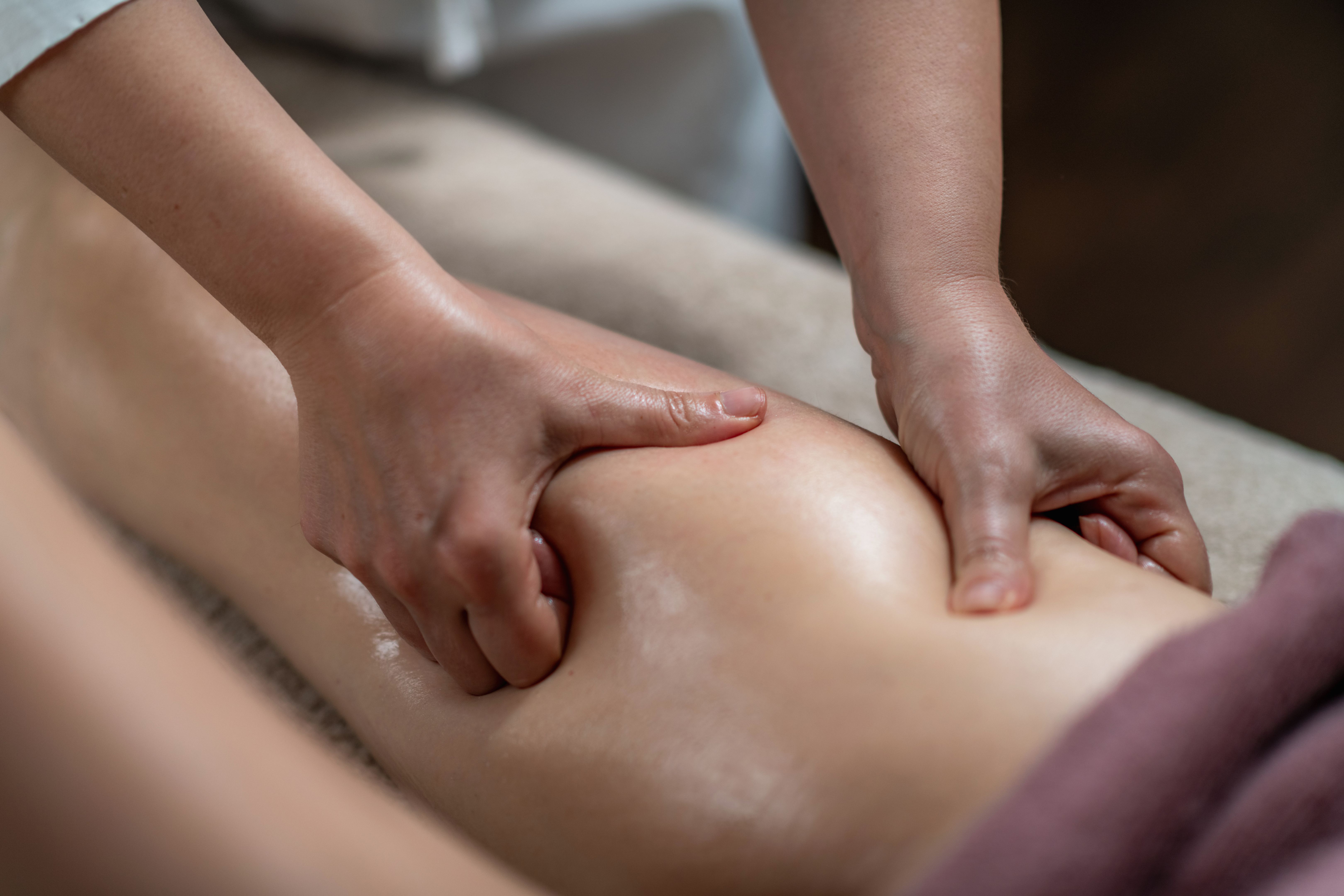
Manual lymphatic drainage is a type of massage therapy developed to stimulate the lymphatic system. It involves gentle, rhythmic strokes that encourage the movement of lymph fluids around the body. This technique is particularly beneficial for those with lymphedema, a condition where lymph fluid accumulates in certain areas of the body.

MLD is not just for those with medical conditions. It can also be beneficial for individuals looking to boost their immune system, reduce swelling, or promote relaxation. The technique was developed in the 1930s by Dr. Emil Vodder, who discovered that gentle massage could significantly impact lymph flow.
How Does MLD Work?
The process of manual lymphatic drainage involves a series of specific techniques. Here's a basic overview of how it works:
- Stimulation of Lymph Nodes: The therapist begins by stimulating the lymph nodes to open up the pathways for lymph flow.
- Gentle Strokes: Using light pressure, the therapist applies rhythmic strokes to encourage lymph movement towards the lymph nodes.
- Focus on Problem Areas: Special attention is given to areas where lymph fluid tends to accumulate.

The Benefits of Manual Lymphatic Drainage
Manual lymphatic drainage offers a range of benefits, making it a popular choice for those seeking holistic health solutions. Some of its primary benefits include:
- Reduced Swelling: By encouraging fluid movement, MLD can significantly decrease swelling.
- Boosted Immune Function: By enhancing lymph flow, the immune system can function more efficiently.
- Detoxification: Helps in the removal of toxins and waste products from the body.
- Relaxation and Stress Reduction: The gentle movements of MLD have a calming effect, promoting relaxation.
Who Can Benefit from MLD?
While MLD is often recommended for individuals with specific medical conditions, it can be beneficial for anyone looking to improve their overall well-being. Those recovering from surgery, experiencing chronic pain, or dealing with fatigue may find relief through this technique.
However, it’s important to consult with a healthcare professional before starting MLD, especially if you have underlying health issues.
Conclusion
Manual lymphatic drainage is a powerful tool for supporting the lymphatic system and enhancing overall health. Whether you're seeking relief from a medical condition or simply looking to boost your immune system, MLD offers a non-invasive, relaxing solution. Consider exploring this therapeutic technique to discover how it can benefit you.