
How to Choose the Right Compression Garment: Expert Fitting Tips


When it comes to choosing the right compression garment, understanding the nuances can make all the difference in comfort and effectiveness. Whether you're recovering from surgery, managing a medical condition, or improving athletic performance, the right fit is crucial.
Understanding Compression Levels
Compression garments come in various levels, typically measured in millimeters of mercury (mmHg). It's essential to choose a level that suits your needs:
- Light Compression (8-15 mmHg): Ideal for everyday wear, travel, and mild swelling.
- Moderate Compression (15-20 mmHg): Suitable for varicose veins, pregnancy, and post-surgery recovery.
- Firm Compression (20-30 mmHg): Often recommended for more severe varicose veins and moderate edema.
- Extra Firm Compression (30-40 mmHg): Typically used for severe edema, lymphedema, and deep vein thrombosis.
Choosing the Right Material
Compression garments are made from materials like nylon, spandex, and microfiber. Each material offers unique benefits:
- Nylon: Durable and breathable, providing long-lasting wear.
- Spandex: Offers excellent elasticity and flexibility.
- Microfiber: Soft and comfortable, ideal for sensitive skin.

Measuring for the Perfect Fit
Accurate measurements ensure that your compression garment provides the necessary support. Follow these steps for precise sizing:
- Measure your limb or body part at the widest point.
- Measure at the narrowest point, such as the ankle for leg garments.
- Record the length of the area to be covered by the garment.
Always refer to the sizing chart provided by the manufacturer, as sizes can vary.
Consulting a Professional
If you're unsure about which compression garment is right for you, consult with a healthcare provider or a certified fitter. They can provide personalized recommendations based on your specific needs and conditions.
Trying On and Adjusting
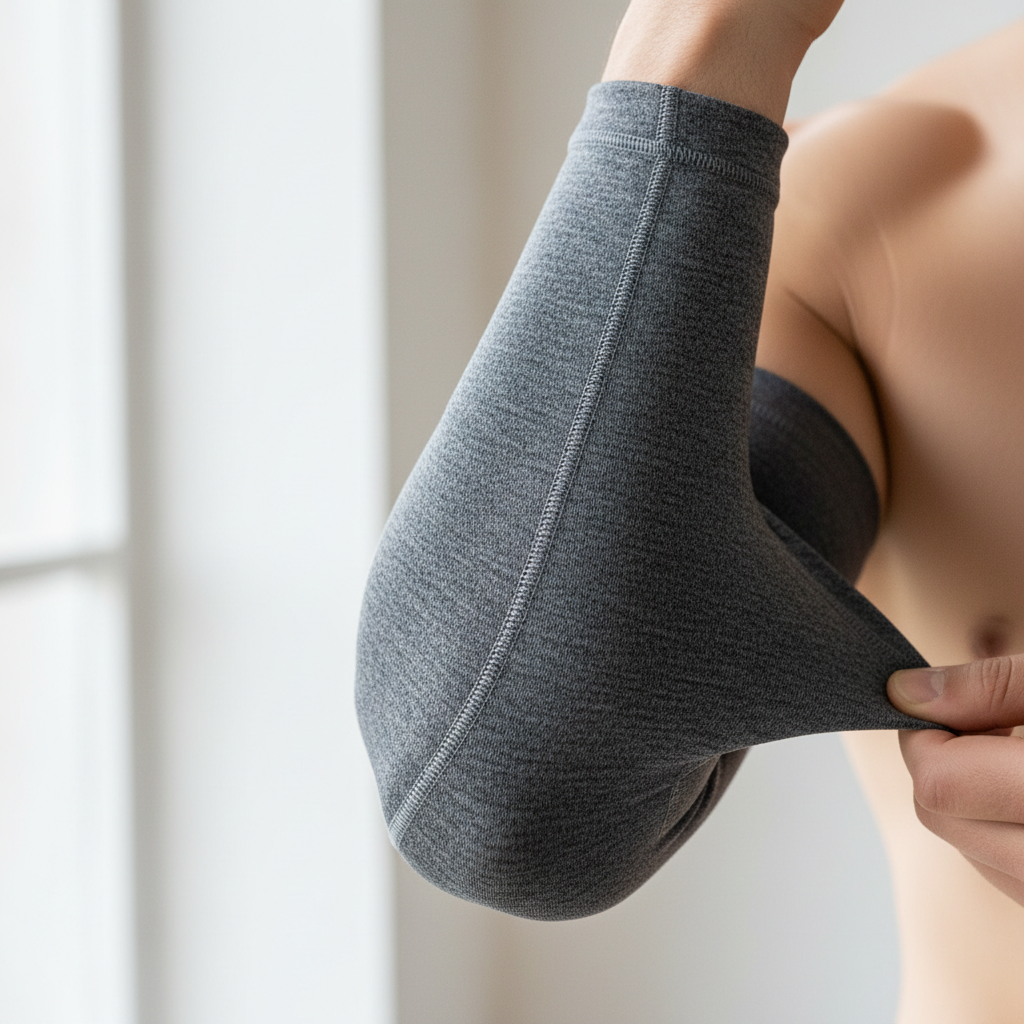
Once you've selected a garment, try it on to ensure it feels comfortable while offering the necessary compression. If it feels too tight or too loose, adjustments may be needed. Remember, a well-fitted garment should be snug but not restrictive.
Consider wearing the garment for short periods initially to allow your body to adjust, gradually increasing the duration as you become more comfortable.
Maintaining Your Compression Garment
Proper care extends the life of your compression garment. Follow these tips for maintenance:
- Hand wash in cold water with mild detergent.
- Air dry away from direct sunlight to prevent material degradation.
- Avoid using bleach or fabric softeners.
With these expert tips, you'll be well-equipped to choose and maintain the right compression garment for your needs, ensuring both comfort and effectiveness.