
How to Prepare for Your First Compression Garment Fitting at Limb and Lymph


Understanding Compression Garments
Compression garments are crucial for individuals dealing with limb and lymphatic conditions. They provide support, improve blood circulation, and help manage swelling. If you’re about to have your first fitting at Limb and Lymph, understanding what to expect can make the experience smoother and more beneficial.
These garments are specifically designed to apply controlled pressure to the affected areas, promoting better fluid movement and reducing discomfort. Proper fit is essential to ensure effectiveness and comfort.

Preparing for Your Appointment
Before your fitting, it's essential to gather any necessary medical history or prescriptions related to your condition. This information helps the specialist determine the right type and level of compression required.
Wear comfortable, loose-fitting clothing on the day of your appointment. This will make it easier to try on different garments and ensure accurate measurements. Bringing a list of questions or concerns can also be helpful.
Essential Documents to Bring
Make sure to bring the following items to your fitting:
- A copy of your medical history
- Prescription details
- Any previous measurements or notes from healthcare providers
What to Expect During the Fitting
During the fitting, a trained specialist will take precise measurements of your limbs. This step is crucial to ensure the garments provide the right level of compression where needed. The specialist will discuss various garment options and help you understand how each one works.
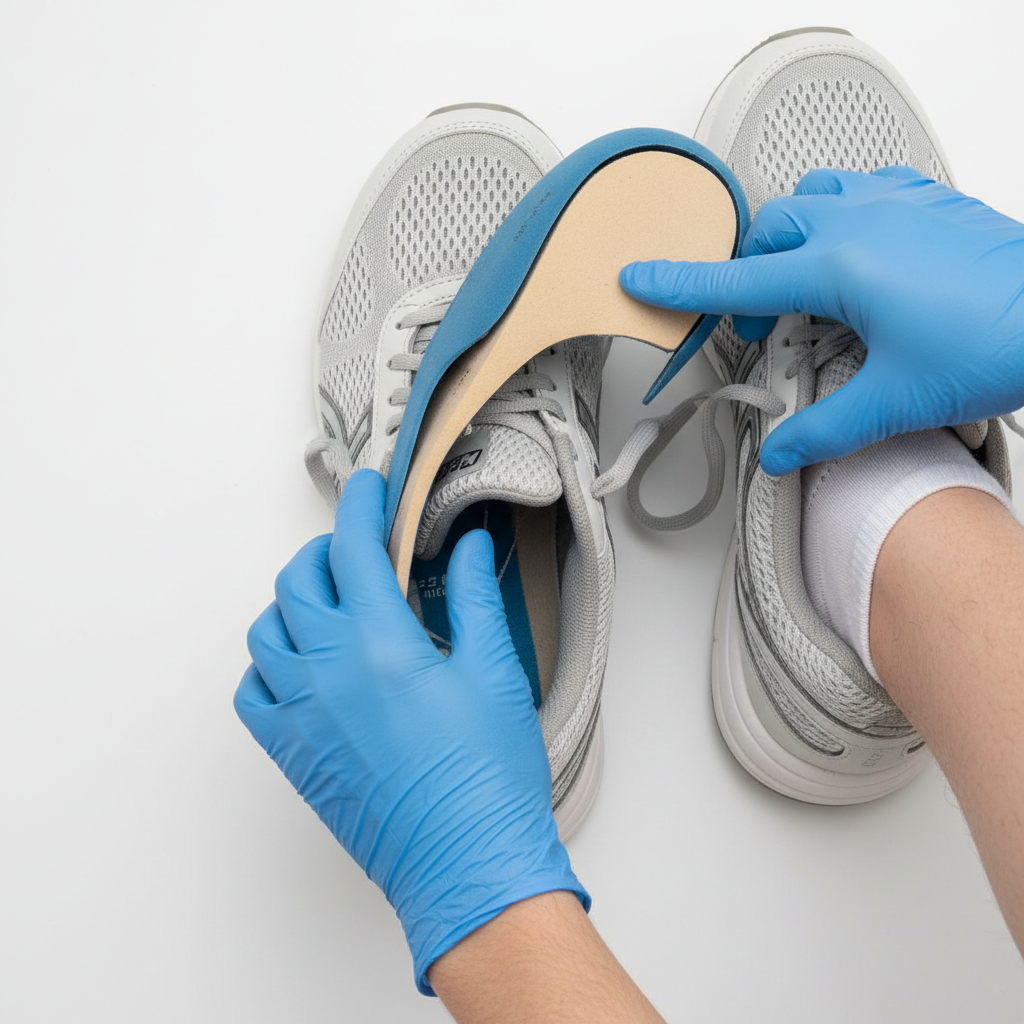
You may be asked to try on different styles or brands to find the one that offers the best comfort and support. Remember, the goal is to find a garment that fits snugly but does not restrict movement.
Communicating Your Needs
Don't hesitate to communicate any discomfort or issues you experience during the fitting. The specialists at Limb and Lymph are there to help you find the perfect solution and address any concerns you might have.
Post-Fitting Considerations
After your fitting, you’ll receive instructions on how to wear and care for your compression garments. It’s important to follow these guidelines to maintain the garment’s effectiveness and longevity.

Regular follow-ups may be necessary to adjust the fit or compression level as your condition changes. Keep track of any changes in your symptoms to discuss during these appointments.
Building a Routine
Incorporating the use of compression garments into your daily routine is vital. Set a schedule for wearing them and monitor your progress regularly. This will help you achieve the best possible outcomes in managing your condition.