
Myth-Busting: Common Misconceptions About Lymphedema Treatment


Understanding Lymphedema
Lymphedema is a condition characterized by swelling, usually in the arms or legs, due to a lymphatic system blockage. Despite its prevalence, many misconceptions about lymphedema treatment persist, often leading to confusion and misinformation.
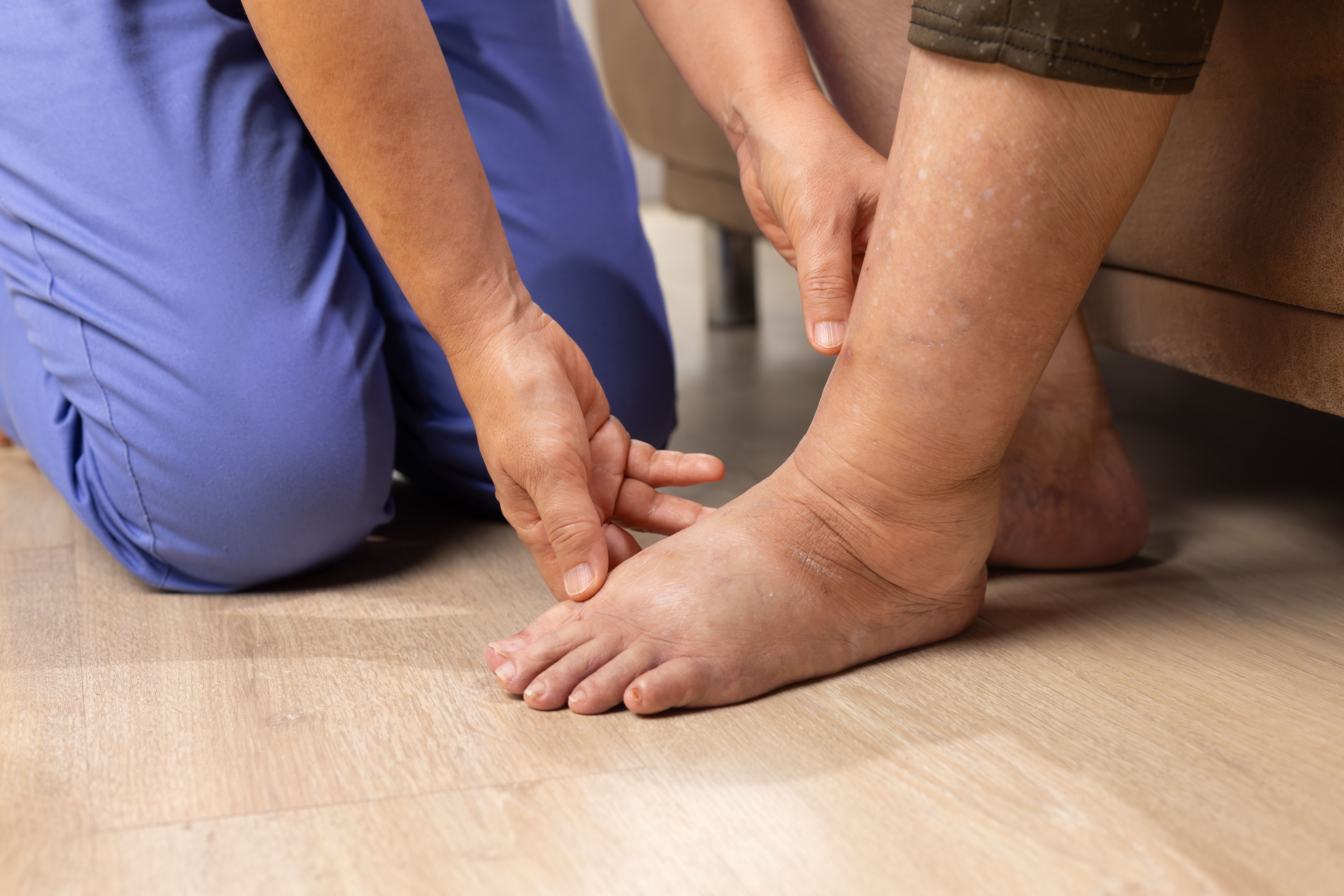
Myth 1: Lymphedema Is Rare
One common myth is that lymphedema is a rare condition. In reality, it affects millions of people worldwide, especially those who have undergone cancer treatments. Awareness and understanding are crucial to improving patient outcomes and quality of life.
Early diagnosis and intervention can significantly impact the management of lymphedema. Recognizing the signs and seeking medical advice promptly can help mitigate the condition's severity.
Myth 2: There Is No Effective Treatment
Another widespread misconception is that lymphedema cannot be effectively treated. While there is no cure, various treatments can help manage symptoms and improve daily living. These include:
- Compression garments and bandages
- Manual lymphatic drainage therapy
- Exercise and physical therapy
- Skin care and hygiene practices
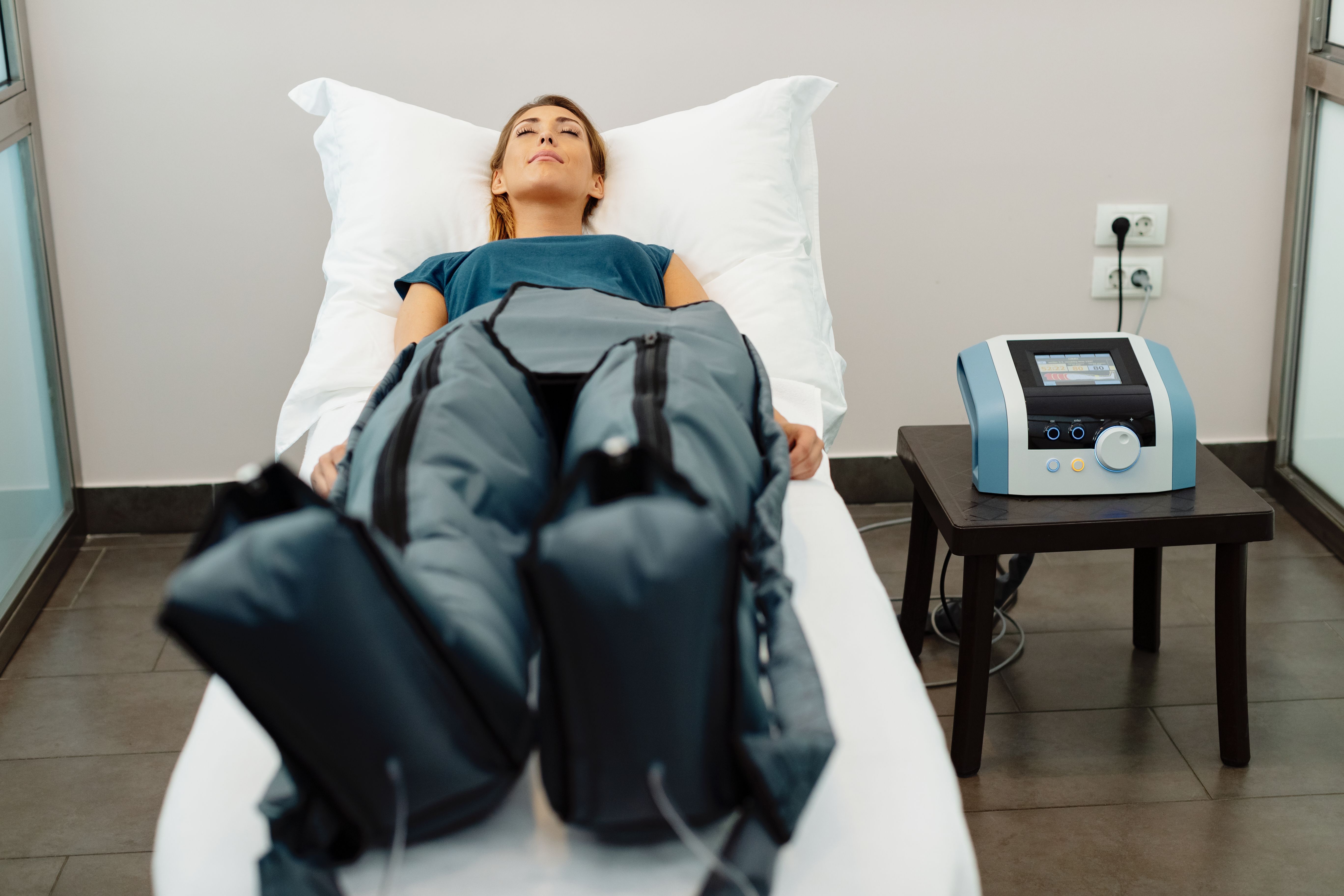
Each treatment plan is personalized, emphasizing the importance of consulting healthcare professionals who specialize in lymphedema management.
Myth 3: Exercise Worsens Lymphedema
Some believe that physical activity can exacerbate lymphedema, but this is not necessarily true. In fact, regular, gentle exercise is often recommended as part of a comprehensive treatment plan. Exercise helps improve lymphatic flow, reduces swelling, and enhances overall mobility.
However, it's crucial to work with a healthcare provider to develop an appropriate exercise regimen tailored to individual needs and capabilities.
Myth 4: Lymphedema Only Affects Cancer Patients
While lymphedema is commonly associated with cancer treatments, it can also result from other factors, such as genetic conditions, infections, or surgeries. Understanding the diverse causes of lymphedema is vital for accurate diagnosis and appropriate treatment.

Patients with non-cancer-related lymphedema should also seek specialized care to manage their condition effectively.
Breaking the Stigma
Addressing these myths is essential to breaking the stigma surrounding lymphedema. By spreading accurate information, we can empower those affected to seek proper care and support. Community support groups and educational resources play a significant role in fostering understanding and resilience.
Ultimately, knowledge is power. By debunking these misconceptions, we can help those living with lymphedema lead healthier, more fulfilling lives.