
Myths and Facts About Lipedema and Its Treatment Options


Understanding Lipedema
Lipedema is a chronic condition that primarily affects women, characterized by an abnormal accumulation of fat in the lower body. Despite its prevalence, many misconceptions surround this condition, leading to misdiagnosis and inadequate treatment. Understanding the myths and facts about lipedema is crucial for effective management.
Common Myths About Lipedema
One of the most persistent myths is that lipedema is simply the result of obesity or poor lifestyle choices. This misconception can lead to individuals feeling blamed or shamed for their condition. However, lipedema is a distinct medical issue with genetic and hormonal factors.
Another myth is that lipedema only affects overweight individuals. In reality, people of all sizes can develop this condition, and it often remains underdiagnosed in those who are not visibly overweight.
Facts About Lipedema
The exact cause of lipedema is still unknown, but it is believed to have a genetic component, as it often runs in families. Hormonal changes, such as those occurring during puberty or pregnancy, may also trigger or worsen the condition.
Unlike regular fat, lipedema fat cannot be lost through diet and exercise alone. This is a critical fact for those seeking treatment options, as traditional weight loss methods may not provide relief.
Diagnosis and Symptoms
A proper diagnosis is essential for managing lipedema. Symptoms typically include a symmetrical buildup of fatty tissue in the legs and hips, pain, and easy bruising. A healthcare professional specializing in lipedema can provide an accurate diagnosis and guide appropriate treatment plans.
It's also important to distinguish lipedema from similar conditions, such as lymphedema. While both involve swelling, their causes and treatments differ significantly.
Treatment Options
There are several treatment options available for lipedema, focusing on managing symptoms and improving quality of life. While there is no cure, these treatments can provide significant relief.
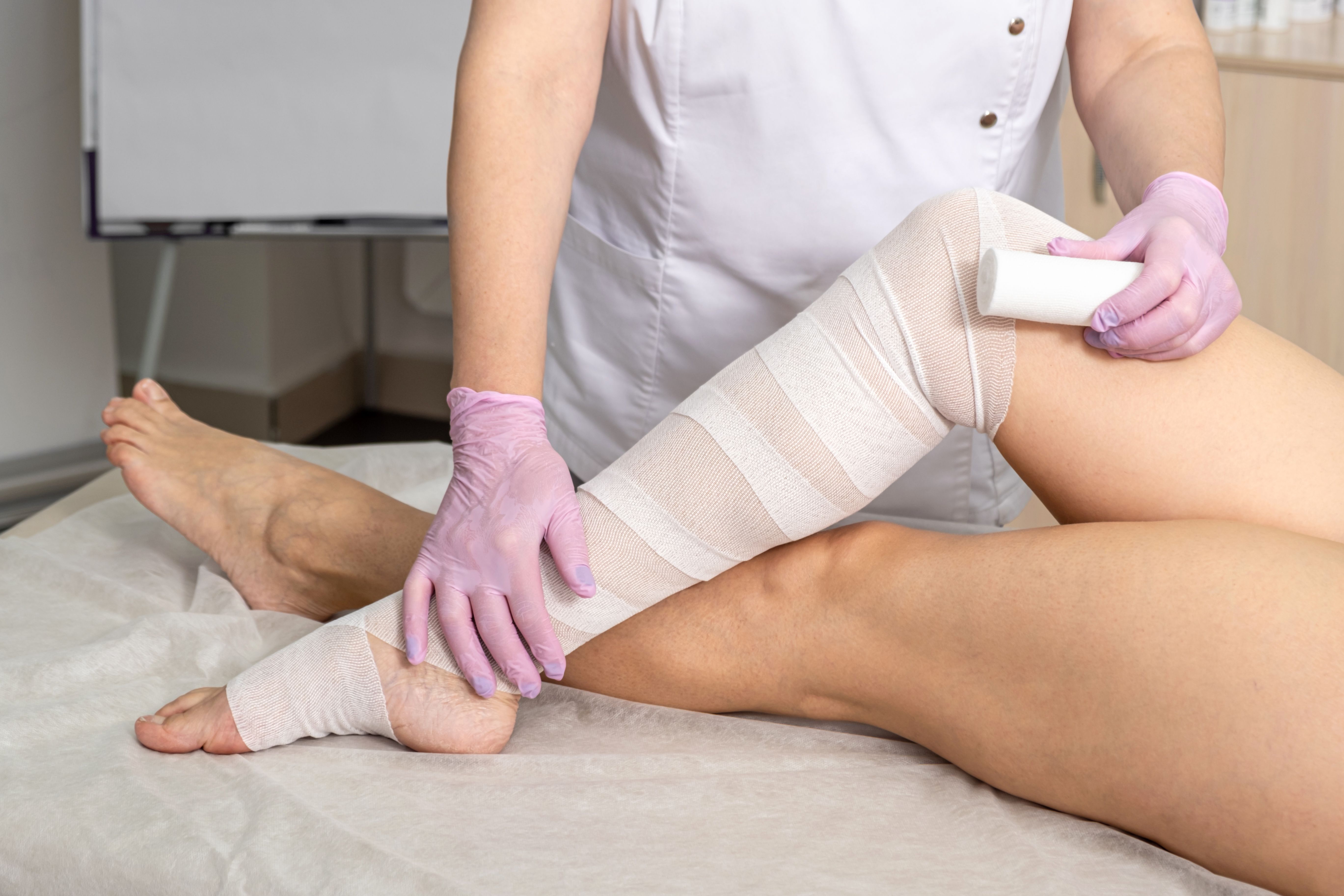
- Compression Therapy: Wearing compression garments can help reduce pain and prevent further swelling.
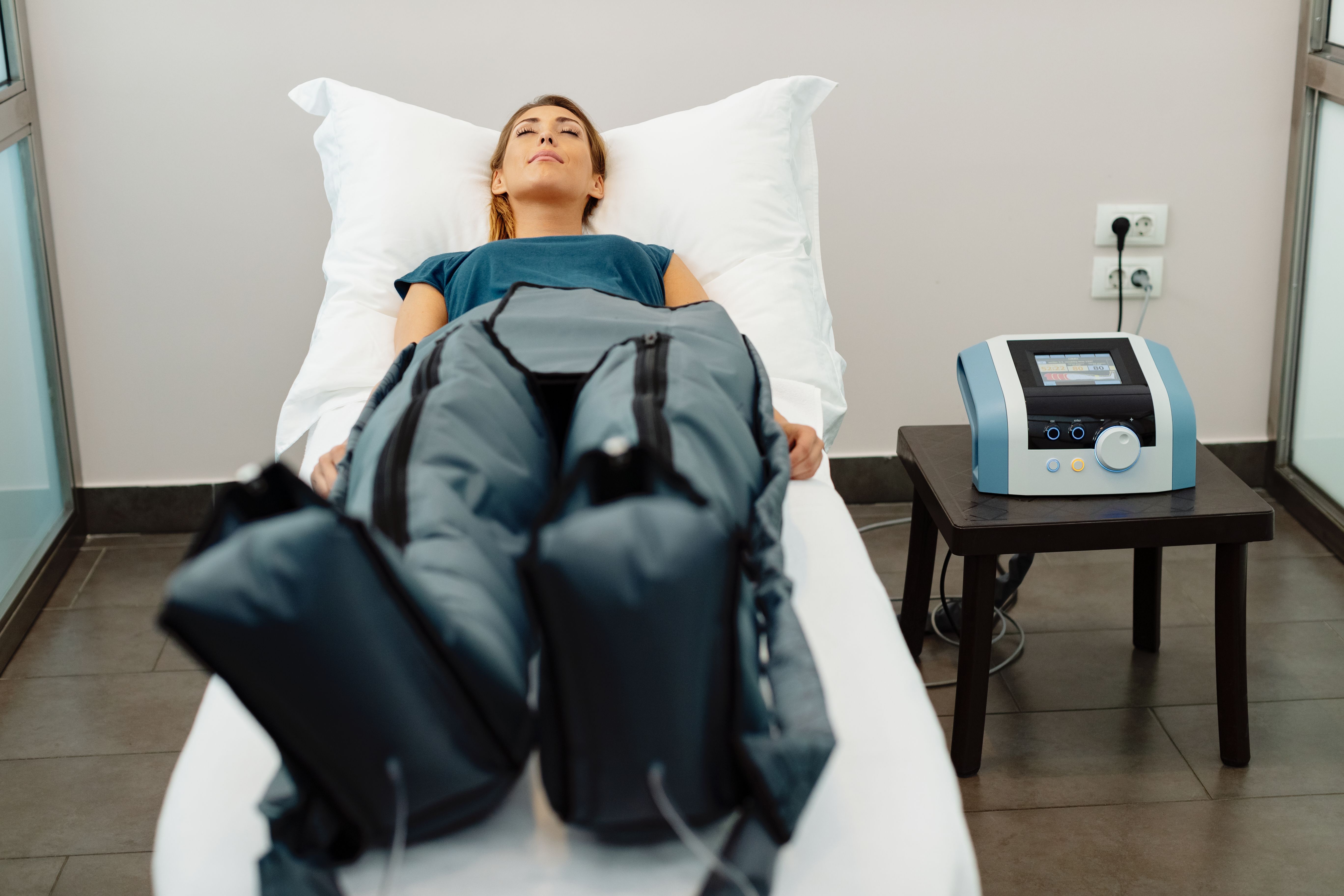
- Manual Lymphatic Drainage (MLD): This specialized massage technique aids in reducing fluid buildup.
- Liposuction: Unlike cosmetic liposuction, this procedure targets lipedema fat and can offer long-term relief.
Living with Lipedema
Managing lipedema requires a comprehensive approach. Alongside medical treatments, lifestyle changes such as maintaining a balanced diet, engaging in low-impact exercises like swimming or walking, and seeking psychological support can be beneficial.
Support groups and online communities can also provide valuable resources and emotional support for those living with lipedema, helping individuals connect with others who understand their experiences.
Conclusion
Dispelling myths and understanding the facts about lipedema is vital for effective treatment and improved quality of life. By recognizing the unique characteristics of this condition, individuals can seek appropriate care and support.
Consulting with healthcare professionals who specialize in lipedema is a crucial step in managing this condition effectively, ensuring that those affected receive the most accurate diagnosis and tailored treatment plans.