
Therapeutic Exercises to Reduce Swelling: A Comprehensive Guide


Understanding Swelling and Its Causes
Swelling, also known as edema, is a common condition that can occur due to injury, surgery, or chronic conditions. It results from an accumulation of fluid in the tissues and can cause discomfort and restricted movement. Addressing swelling effectively is crucial to promote healing and restore function.
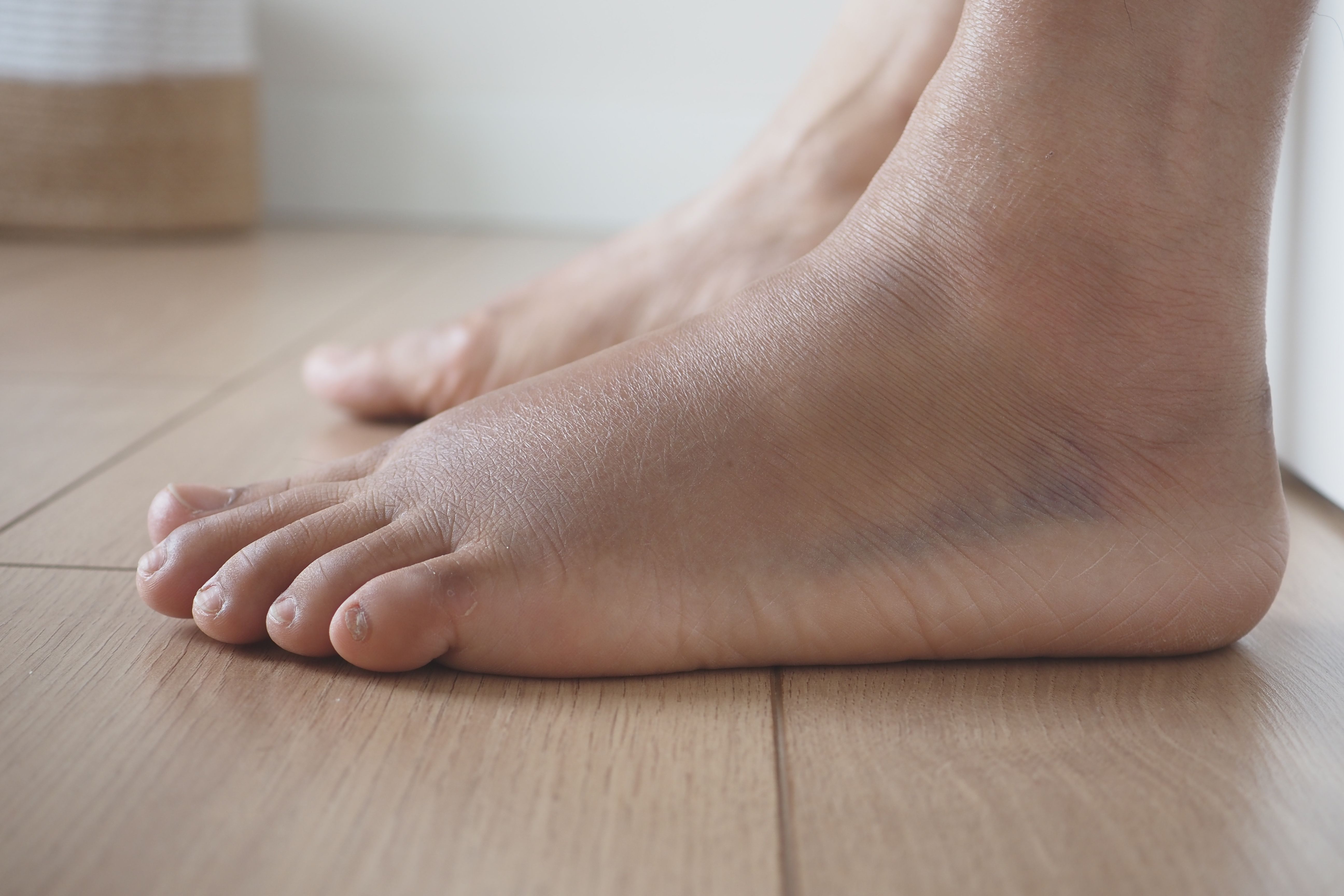
Importance of Therapeutic Exercises
Therapeutic exercises play a vital role in reducing swelling by improving circulation and promoting lymphatic drainage. These exercises help in maintaining range of motion and can prevent stiffness. Engaging in a tailored exercise routine can significantly speed up recovery and enhance overall well-being.
Types of Exercises to Reduce Swelling
There are various types of exercises that can help reduce swelling. Incorporating a combination of these exercises into your routine can provide comprehensive benefits. Here are some effective types:
- Range of Motion Exercises: These exercises help to maintain flexibility and prevent stiffness. Gentle movements of the affected area can enhance fluid movement.
- Strengthening Exercises: Gradually increasing strength in the surrounding muscles supports the affected area and aids in fluid drainage.
- Aerobic Exercises: Low-impact activities like walking or cycling improve cardiovascular health and circulation, which can help reduce swelling.
How to Perform Range of Motion Exercises
Range of motion exercises are simple yet effective. Start with gentle movements, such as ankle circles or wrist flexes, depending on the affected area. Perform these exercises several times a day to maintain flexibility and encourage fluid movement.

Strengthening Exercises for Swelling Reduction
Strengthening exercises should be introduced gradually. Focus on the muscles surrounding the swollen area. For instance, if the swelling is in the knee, exercises like leg lifts or mini squats can be beneficial. Always consult with a healthcare provider to ensure exercises are appropriate for your condition.
Incorporating Aerobic Exercises
Aerobic exercises, such as walking, swimming, or cycling, can be incredibly beneficial. These activities enhance blood flow throughout the body, which aids in reducing swelling. Start with short sessions and gradually increase the duration as your endurance improves.

Precautions and Tips
While therapeutic exercises are beneficial, it's important to take precautions. Avoid overexertion and listen to your body. If you experience increased pain or swelling, discontinue the exercise and consult with a healthcare professional. Consistency is key, so aim to incorporate these exercises into your daily routine.
In addition to exercises, consider other lifestyle changes to support swelling reduction. Elevate the affected area, stay hydrated, and maintain a balanced diet. These measures, combined with targeted exercises, can lead to more effective swelling management.

Conclusion
Incorporating therapeutic exercises into your routine is a powerful way to manage and reduce swelling. By understanding the types of exercises and how to perform them safely, you can enhance your recovery and improve your quality of life. Always consult with a healthcare professional to tailor a program that suits your specific needs.