
Winter Care Tips for Lymphedema Patients: Stay Comfortable and Healthy


Understanding Lymphedema in Winter
Winter can be particularly challenging for those with lymphedema. Cold temperatures and dry air may exacerbate symptoms, making it crucial to follow specific care routines. By understanding how to manage your condition during these months, you can maintain comfort and health.
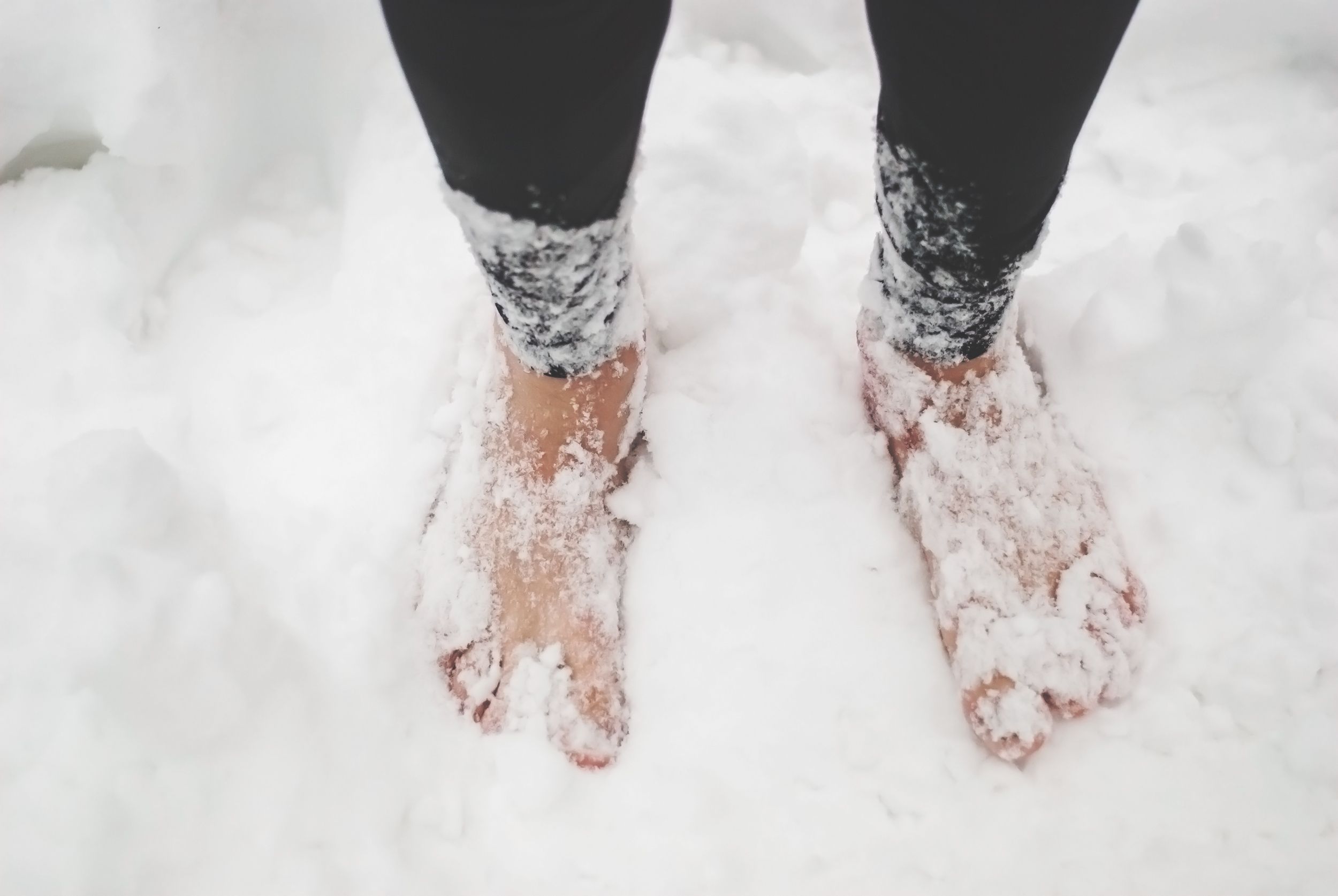
Stay Warm and Protected
Keeping your limbs warm is essential to prevent swelling. Layer your clothing, but avoid tight-fitting garments that may restrict circulation. Opt for soft, breathable materials like cotton or wool.
Consider using compression garments, as they provide warmth and support, but ensure they fit correctly to avoid further complications. Always consult with your healthcare provider for the best fit.
Moisturize Regularly
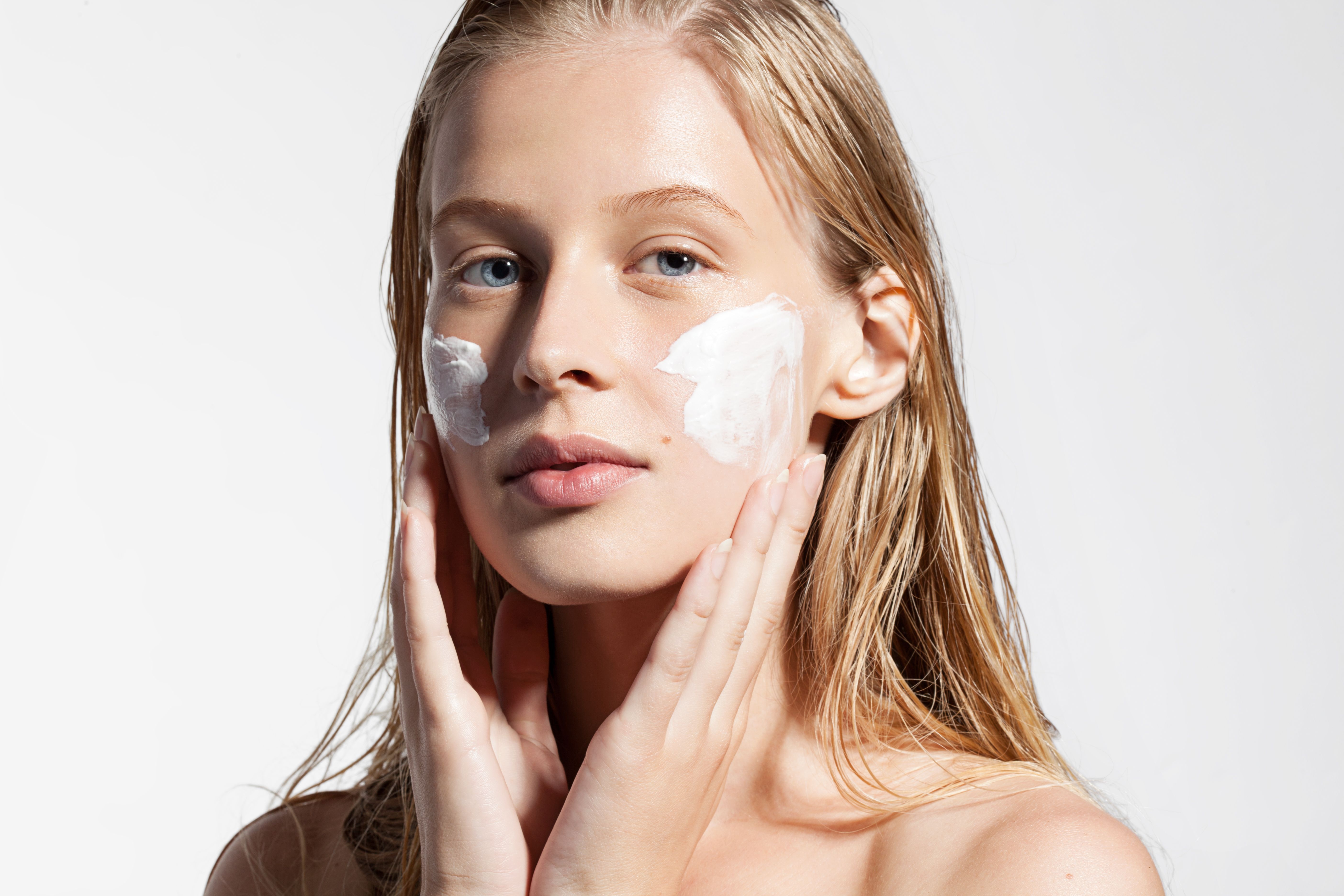
Cold weather can dry out your skin, making it more prone to cracking and infections. Use a gentle, fragrance-free moisturizer to keep your skin hydrated. Apply it after bathing and before bed to lock in moisture.
Stay Active Indoors
Physical activity is vital for managing lymphedema, even during winter. Consider indoor exercises such as yoga or stretching to keep your lymph fluid moving. Regular movement helps reduce swelling and improves overall well-being.
Here are some exercises to consider:
- Gentle stretching
- Chair yoga
- Light aerobics
Maintain a Healthy Diet
A balanced diet supports your immune system and overall health. Focus on foods rich in vitamins, minerals, and antioxidants. Incorporate plenty of fruits, vegetables, lean proteins, and whole grains into your meals.
Staying hydrated is equally important. Drink plenty of water to help your body function optimally and reduce swelling.
Monitor Your Skin
Regularly check your skin for any signs of irritation or infection, such as redness or swelling. If you notice any changes, consult with your healthcare provider promptly. Early intervention can prevent complications.
Additionally, protect your skin from the elements by wearing gloves and scarves when outdoors to minimize exposure to harsh weather conditions.
Seek Professional Guidance
Your healthcare provider is a vital resource in managing lymphedema during winter. Regular check-ups ensure that your treatment plan remains effective and any necessary adjustments are made promptly.
Consider joining a support group where you can share experiences and learn from others facing similar challenges. Community support can provide encouragement and practical tips.

Conclusion
Winter care for lymphedema requires attention to detail and proactive measures. By staying informed and following these tips, you can effectively manage your symptoms and maintain a comfortable and healthy lifestyle. Always consult with your healthcare provider for personalized advice tailored to your needs.