
Case Study: Successful Management of Lymphedema in Quinte West


Understanding Lymphedema
Lymphedema is a chronic condition characterized by swelling, typically in the arms or legs, due to a blockage in the lymphatic system. This condition can be painful and cause significant discomfort, affecting an individual's quality of life. Effective management is crucial for those living with lymphedema.
In Quinte West, a recent initiative has showcased a successful approach to managing this condition, providing hope and relief to many residents. This case study outlines the methods employed and the results achieved, offering a blueprint for other regions.
The Quinte West Approach
The management strategy in Quinte West focused on a comprehensive, patient-centered approach. Key elements included:
- Personalized Treatment Plans: Each patient received a tailored plan based on their specific needs and medical history.
- Multidisciplinary Team: A team of specialists, including physical therapists, nurses, and nutritionists, collaborated to provide holistic care.
- Community Support: Support groups and educational workshops were organized to empower patients with knowledge and emotional support.
Innovative Therapies
The team in Quinte West implemented several innovative therapies to enhance the effectiveness of treatment. These included:
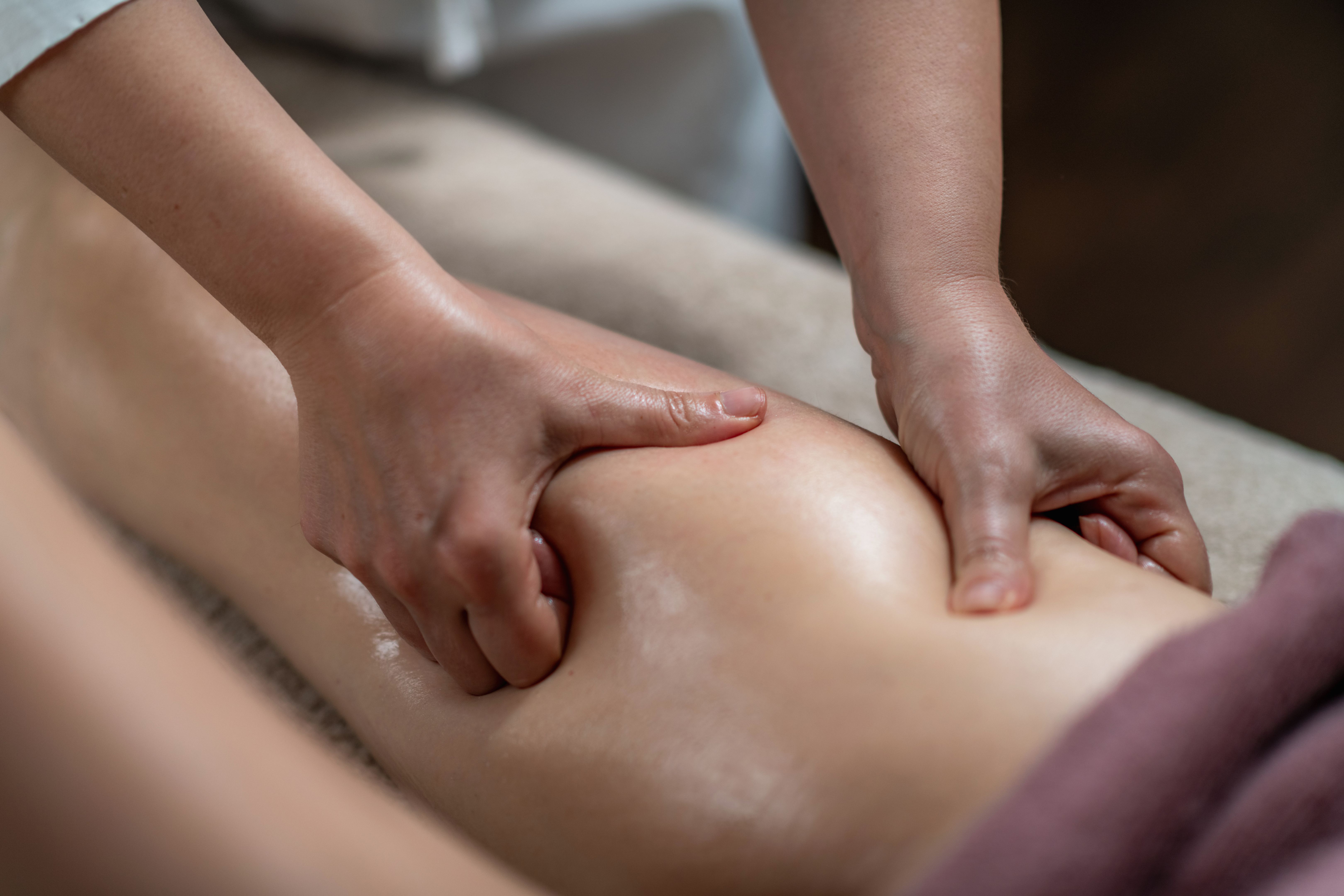
- Manual Lymph Drainage (MLD): A gentle massage technique to stimulate lymph flow.
- Compression Therapy: Use of specialized garments to reduce swelling and prevent fluid accumulation.
- Exercise Programs: Customized exercises to improve lymphatic function and overall mobility.

Patient Success Stories
The success of the Quinte West initiative is best illustrated through the experiences of the patients. Many reported significant improvements in their symptoms and a better understanding of how to manage their condition effectively. One patient noted, “The personalized care and attention I received changed my life. I feel more in control and hopeful about my future.”
This positive feedback is a testament to the power of a well-coordinated, patient-focused approach. The combination of innovative therapies and community support has proven to be effective in managing lymphedema.

Challenges and Lessons Learned
Despite the successes, the initiative faced challenges, including funding constraints and the need for ongoing training for medical personnel. These challenges highlighted the importance of continuous investment in healthcare infrastructure and education.
One of the key lessons learned was the value of patient education. Empowering patients with the knowledge to manage their condition played a critical role in the success of the program.
Future Implications
The success in Quinte West has implications for other communities struggling with lymphedema management. By adopting a similar approach, other regions can improve patient outcomes and enhance the quality of life for those affected by this condition.
As more areas consider implementing this model, the hope is that lymphedema management will become more effective and accessible worldwide, bringing relief to countless individuals.

Conclusion
The Quinte West case study demonstrates that with the right approach, lymphedema can be managed successfully. By focusing on personalized care, innovative therapies, and community support, significant improvements in patient outcomes can be achieved. This initiative serves as a valuable model for other regions seeking to enhance their lymphedema management strategies.