Exploring Deep Oscillation Therapy: Innovations and Outcomes


Understanding Deep Oscillation Therapy
Deep Oscillation Therapy is an innovative treatment method that uses low-frequency electrostatic waves to create a unique, oscillating massage effect. This therapy is gaining popularity due to its effectiveness in reducing pain and inflammation, promoting healing, and enhancing lymphatic drainage.
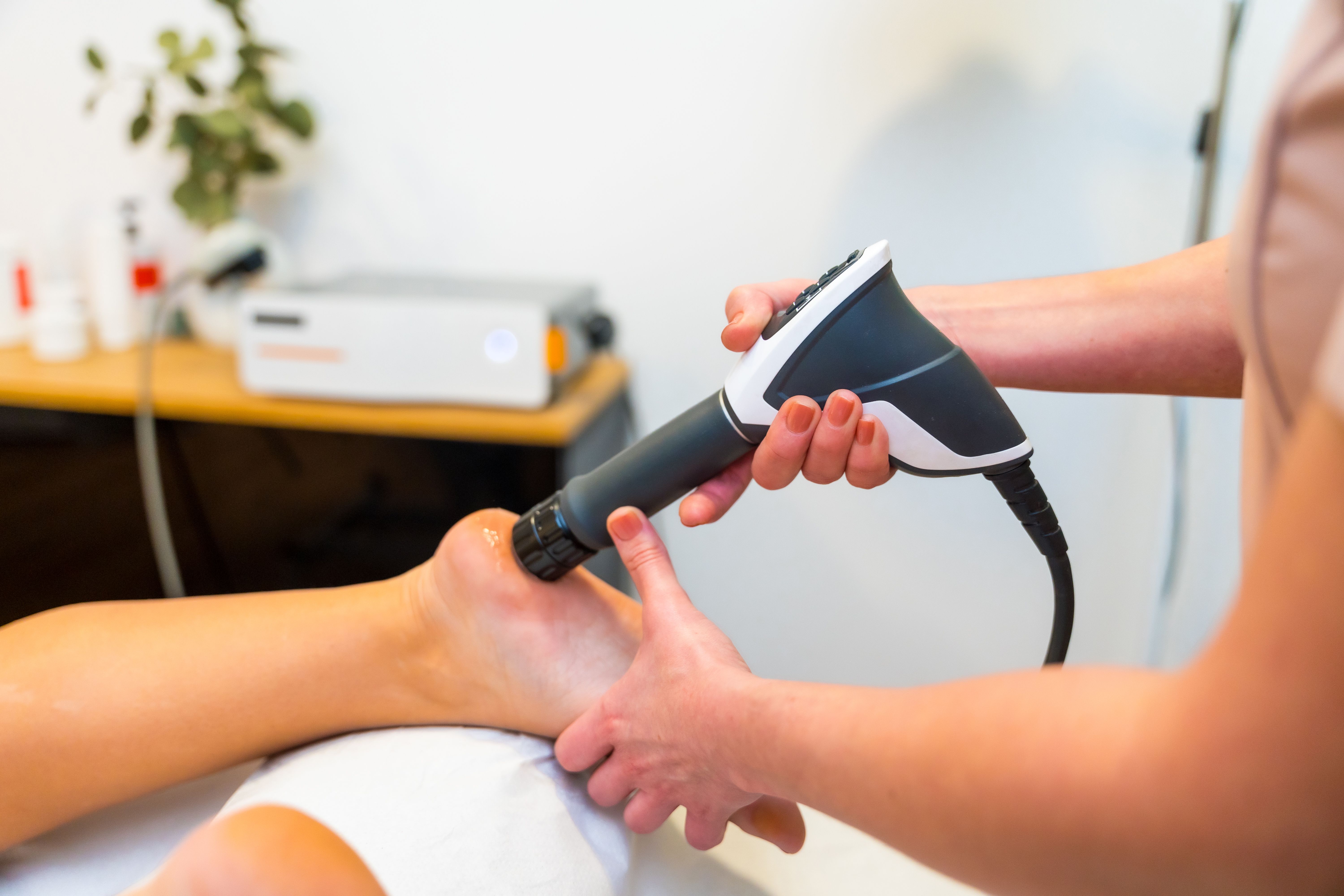
The therapy works by applying gentle, oscillating pulses through a handheld applicator. It penetrates deep into tissues, providing a non-invasive alternative to traditional methods. Patients often report feeling a pleasant, tingling sensation during the treatment.
Benefits of Deep Oscillation Therapy
One of the main advantages of this therapy is its versatility. It is used for a variety of conditions, including sports injuries, chronic pain, post-surgical recovery, and more. Here are some key benefits:
- Pain Reduction: Helps in alleviating acute and chronic pain.
- Inflammation Control: Reduces swelling and promotes faster healing.
- Improved Circulation: Enhances blood flow and lymphatic drainage.

Applications in Sports Medicine
In sports medicine, Deep Oscillation Therapy is used to accelerate recovery from injuries and enhance performance. Athletes benefit from reduced muscle tension and quicker rehabilitation times, allowing them to return to their sport with improved resilience.
Many sports therapists incorporate this therapy into their protocols due to its efficacy in treating sprains, strains, and other musculoskeletal issues.
Innovations in Technology
Advancements in technology have made Deep Oscillation Therapy more accessible. Portable devices now allow therapists to bring treatment directly to the patient, whether in a clinic or at home. This flexibility is invaluable for those with mobility issues or tight schedules.

The devices are also user-friendly, with intuitive controls and customizable settings to tailor the treatment to individual needs.
Research and Outcomes
Numerous studies support the effectiveness of Deep Oscillation Therapy. Research indicates significant improvements in pain management, reduced recovery times, and enhanced quality of life for patients across various conditions.
Patient testimonials further highlight the therapy's impact, with many sharing stories of improved mobility and comfort following treatment.
Conclusion
Deep Oscillation Therapy represents a significant advancement in therapeutic treatments. Its ability to provide non-invasive, effective relief makes it a valuable tool for healthcare professionals and patients alike. As research continues, its applications are likely to expand, offering hope and healing to even more individuals.