
How Kinesio Taping Techniques Can Support Your Lymphedema Journey


Understanding Lymphedema
Lymphedema is a chronic condition characterized by the accumulation of lymphatic fluid, leading to swelling, typically in the arms or legs. This condition can result from cancer treatments, infections, or genetic factors. Managing lymphedema is crucial for maintaining quality of life and preventing further complications.
While traditional treatments like compression garments and manual lymphatic drainage are well-known, innovations such as Kinesio Taping are gaining attention for their potential benefits. Kinesio Taping offers a non-invasive, supportive approach to managing symptoms and enhancing mobility.

What is Kinesio Taping?
Kinesio Taping involves the application of a specialized elastic tape to the skin. Originally developed by Dr. Kenzo Kase, this technique is designed to provide support and stability to muscles and joints without restricting movement. Its unique properties help in lifting the skin, which may improve circulation and lymphatic flow.
The tape is water-resistant and can be worn for several days, making it a convenient option for many individuals. It's important to note that Kinesio Taping should ideally be applied by a trained professional to ensure correct placement and effectiveness.
Benefits of Kinesio Taping for Lymphedema
Kinesio Taping offers several potential benefits for individuals managing lymphedema:
- Improved Lymphatic Drainage: The tape's lifting effect may enhance lymphatic flow, reducing swelling.
- Pain Relief: By alleviating pressure on pain receptors, the tape can help reduce discomfort.
- Enhanced Mobility: The support provided can improve range of motion and overall mobility.
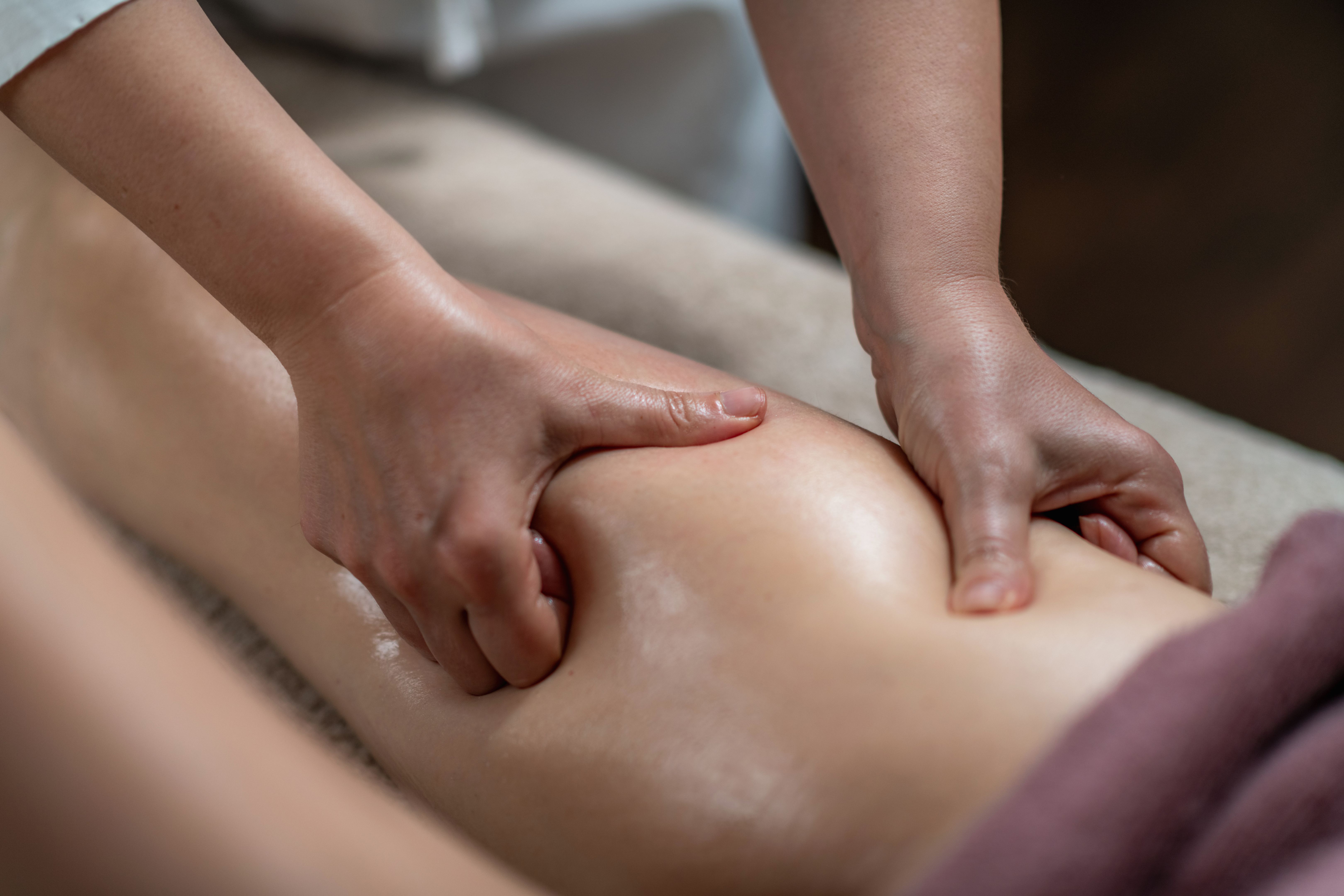
Applying Kinesio Taping Techniques
When considering Kinesio Taping for lymphedema, it is crucial to consult with a healthcare professional, such as a physical therapist or a certified Kinesio Taping practitioner. They can assess your specific needs and demonstrate the correct taping techniques.
Application typically involves the following steps:
- Clean the skin thoroughly to ensure proper adhesion.
- Cut the tape to the desired length and shape.
- Apply with a slight stretch to create the lifting effect.
- Ensure the tape is smooth and free of wrinkles.
Considerations and Precautions
While Kinesio Taping is generally considered safe, there are important considerations:
- Avoid applying tape to broken or irritated skin.
- Monitor for any allergic reactions, such as redness or itching.
- Consult with a professional if you experience increased pain or discomfort.

Integrating Kinesio Taping into Your Routine
Incorporating Kinesio Taping into your lymphedema management plan can be a valuable addition. Combine it with other treatments, such as compression therapy and exercise, for a comprehensive approach. Regular follow-up with healthcare providers will ensure that your treatment plan remains effective and tailored to your needs.
Remember that patience and consistency are key in managing lymphedema. By exploring innovative techniques like Kinesio Taping, you are taking proactive steps towards improving your well-being and enjoying a higher quality of life.