
Seasonal Tips for Managing Swelling: Summer Strategies


Understanding Summer Swelling
Summer is a time for outdoor fun, but it can also bring discomfort for those who experience swelling. The warmer temperatures can cause blood vessels to expand, leading to increased fluid retention in the body. This can result in swollen feet, ankles, and hands, making it difficult to enjoy the season.
Managing swelling effectively during the summer months involves understanding the causes and implementing strategies that can help alleviate the symptoms. By making a few lifestyle adjustments, you can reduce swelling and enjoy a more comfortable summer.
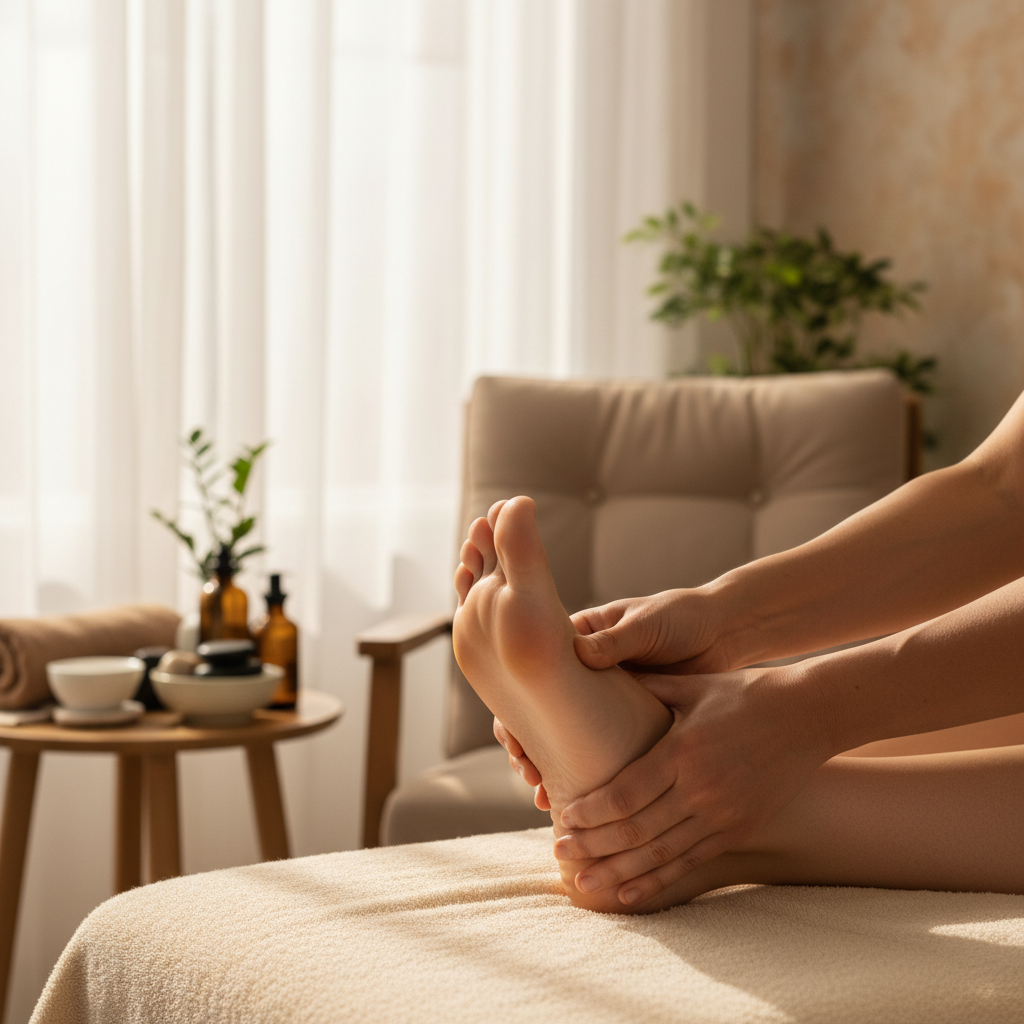
Stay Hydrated
One of the simplest ways to manage swelling is by staying hydrated. Drinking plenty of water helps to flush out excess salt from the body, which can reduce fluid retention. Aim for at least eight glasses of water a day, and consider adding lemon or cucumber slices for an extra refreshing touch.
Avoid excessive consumption of caffeinated or alcoholic beverages, as they can lead to dehydration. Instead, opt for herbal teas or water-rich fruits like watermelon and cucumber to keep your body hydrated and balanced.
Engage in Regular Exercise
Regular physical activity is crucial in managing swelling during the summer. Exercise helps improve circulation and reduces fluid buildup in the body. Low-impact activities such as walking, swimming, or cycling can be particularly beneficial.

Incorporate stretching exercises to further enhance blood flow and reduce stiffness. Even a short, daily routine can make a significant difference in alleviating swelling and improving overall health.
Adopt a Balanced Diet
A balanced diet is essential for managing swelling. Focus on consuming foods rich in antioxidants and anti-inflammatory properties. Incorporate plenty of fruits, vegetables, and whole grains into your meals.
- Fruits like berries and cherries
- Leafy greens such as spinach and kale
- Whole grains like quinoa and brown rice
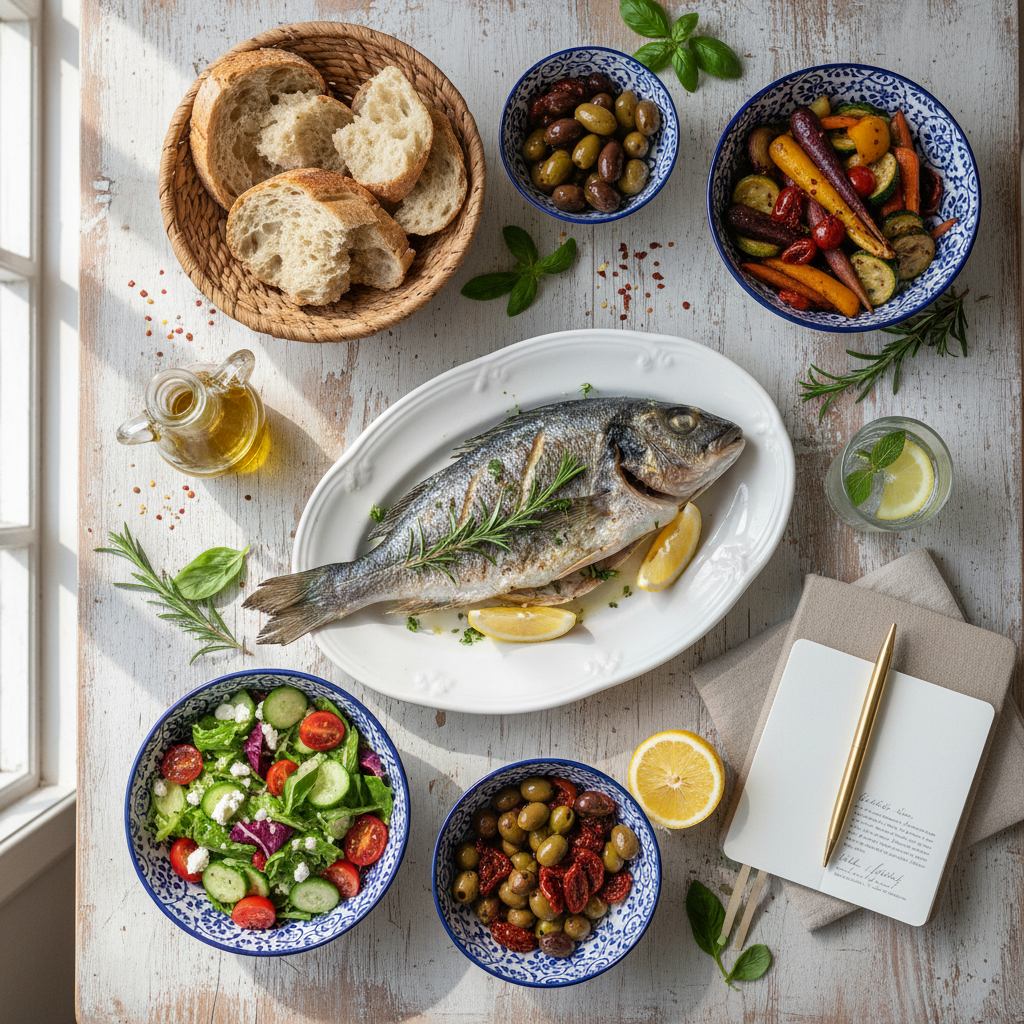
Additionally, reduce your intake of processed foods, which are often high in sodium and can contribute to fluid retention. Opt for fresh ingredients whenever possible to promote better health and reduce swelling.
Wear Comfortable Clothing
What you wear can also impact swelling. Choose loose-fitting, breathable clothing to allow proper circulation. Avoid tight shoes and opt for sandals or shoes with adjustable straps to accommodate any swelling.
Compression garments can also be helpful for those who experience severe swelling. They provide support and improve blood flow, reducing discomfort and preventing further swelling.
Elevate and Rest
Take time to rest and elevate your swollen limbs whenever possible. Elevating your legs or arms above heart level can significantly reduce swelling by allowing fluids to flow back towards the heart.
Consider using pillows or cushions to make this position comfortable during rest or sleep. Incorporating this practice into your daily routine can lead to noticeable improvements in swelling symptoms.
By following these summer strategies, you can effectively manage swelling and enjoy a more comfortable, active summer. Remember that small changes can make a big difference in your overall well-being.